

A Book-Backed Spring Break (Article #32)
A bumming-around-town spring break nurtures bookish delights

We live in a community where at this time of year people ask, “Where are you going for spring break?” rather than “What are you doing for spring break?”
My usual response: “Nowhere.”
And then the mom guilt stirs. Will my child be embarrassed when she returns to school? Her classmates will regale each other with one travelogue after another, and what will she say? We just bummed around town?
Both now and in the future, I hope that is exactly what she will say with pride and enthusiasm about her childhood spring breaks with mom.
Our spring break this year began on a sunny but chilly afternoon in a nearby town settled on a roughly 230-acre lake. We strolled into a new mother-daughter-owned Bubble tea shop that also houses a selection of books for sale. My daughter discovered the “Whatever After” series by Sarah Mlynowski on the shelves there while she waited for her drink order.
As we made our purchases, the owner and her daughter reminisced about listening to the series’ audio versions on their way to school each morning– despite the daughter, now grown, professing a dislike for reading. Their story followed me out of the shop to our car where my daughter crawled into the backseat with her drink in one hand and the book in the other, reading as we made the short drive home.
Later in the week, my daughter asked to pop into another small-town bookstore when we observed a salt-and-pepper Maltese taking his job very seriously as the door greeter to this independent bookstore. Who doesn’t want to pet a pup, create a fun foam craft, flip through books and sniff book-themed scented candles– all of which this store offered. So, in we ventured.
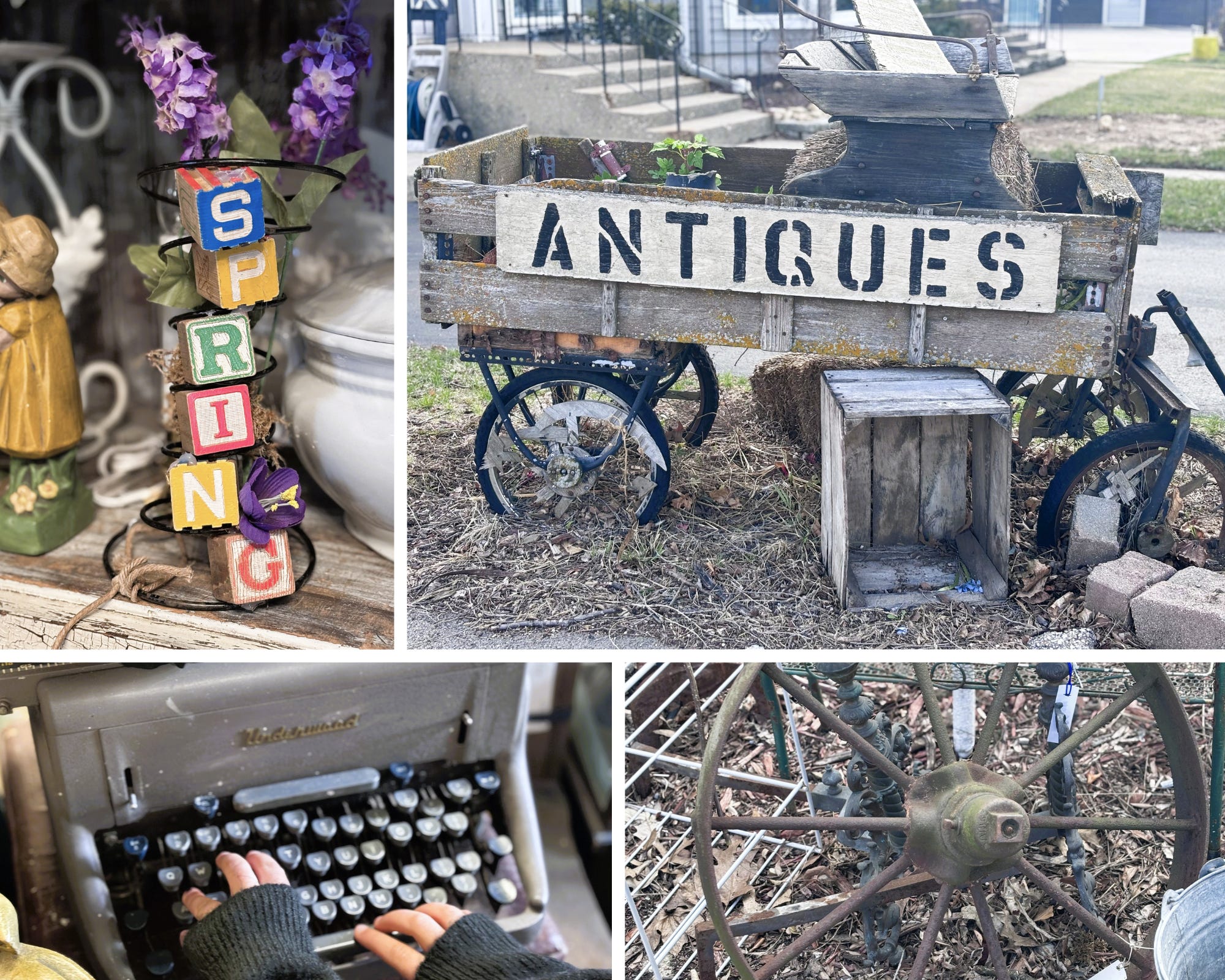
We also waltzed in and out of antique and second-hand shops that same day, petting more dogs and perusing more books. As my daughter astutely noted, antique shops felt like museums. But, here, with gentle hands, she could actually touch the items. She marveled at clicking the keys of an old typewriter because we had just finished a book in which a typewriter played a central role in the plot. She also pointed out a worn wagon wheel, recalling a recent story involving a horse-drawn carriage. Objects that are no longer regular fixtures in our everyday existence were coming to life in the stores we visited. Until this outing, I had never fathomed how formative antique stores could be in building a child’s historical background knowledge for reading.
Additionally, my daughter carefully noted the home décor as we shopped, stating she wanted ideas for the dream house she was crafting in Minecraft. To her astonishment, she found a Minecraft building book at a second-hand shop for $2 and couldn’t believe her good fortune.
The following day at breakfast she mentioned that the previous day’s intention had been to build her Minecraft creation, so today’s focus would be to memorize lines for her upcoming park district production of Charlie and the Chocolate Factory, originally a book by Roald Dahl.
My daughter recited lines and sang her verses repeatedly with newfound inspiration from a company production of the same play we attended over spring break. She carried on conversations about the similarities and differences between her production and the one she watched.
As she memorizes lines, asks questions about vocabulary and attempts interpretations of themes and character development, I continue to be amazed at how instrumental drama is for a child’s literacy development (See Article #12.B “Righting the Script: Where Theater Brings Reading to Life” and Article #26 “Teens Spark Magic in Community Musical” for further pontifications on the crucial influences local productions have on building foundational literacy skills for children.).
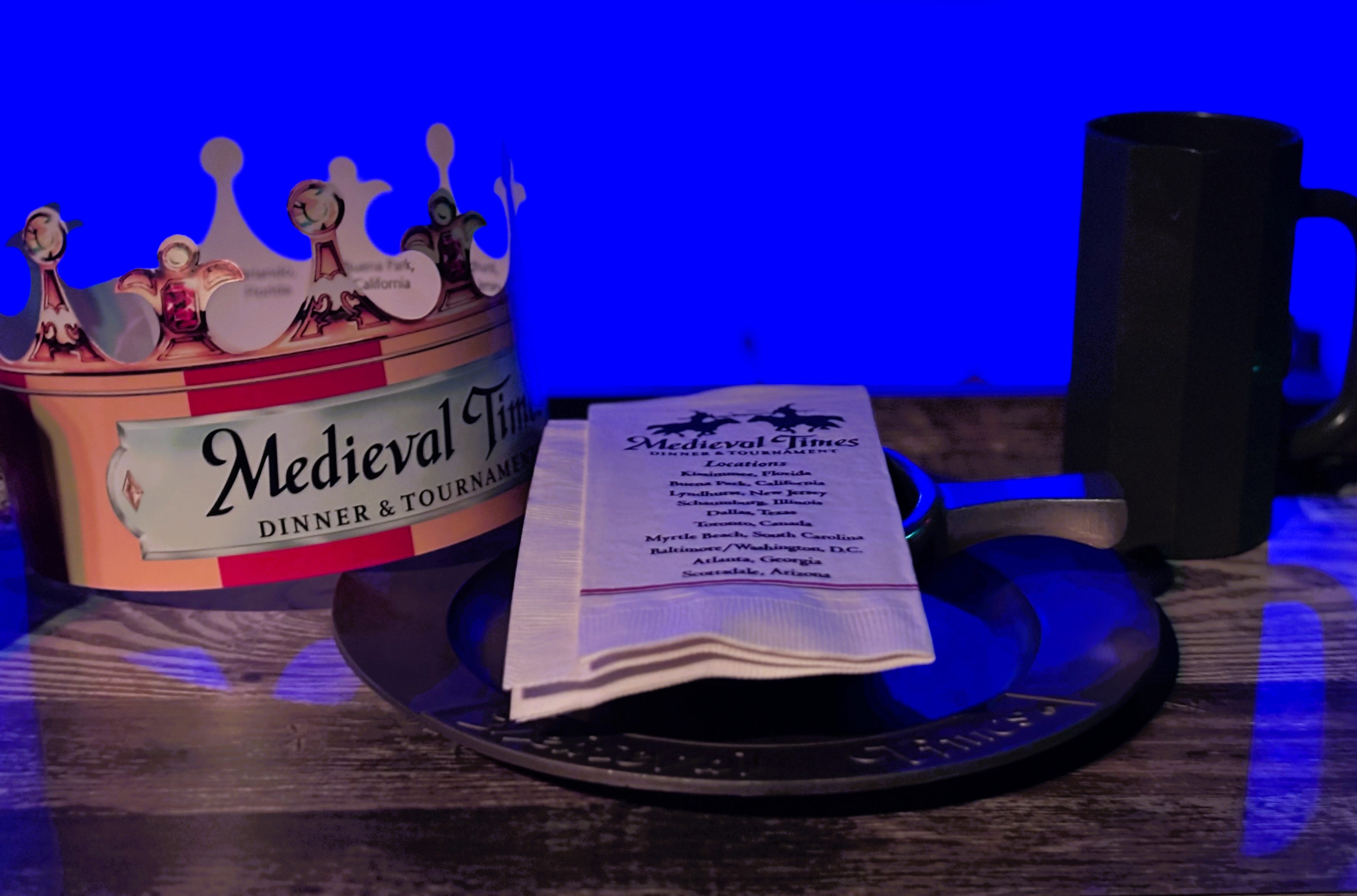
Our extravagant spring break outing was a trip to Medieval Times, a dining and reenactment experience of knightly jousting tournaments and equestrian pageantry. We frequently drive by the one near us, and my daughter requested to go; she has a fascination with the time period after encountering it through historical fiction. Although performative and who knows how authentic, the experience seemed like yet another way to spark her curiosity, which could be traced back to books (and movies, too).
Of course, travel experiences create unparalleled learning opportunities for children, too (see Article #5 “Read, Roam, Repeat: Guiding Young Travelers Through the World of Books”), but I am finding that spring breaks can be just as meaningful with outings close to home.
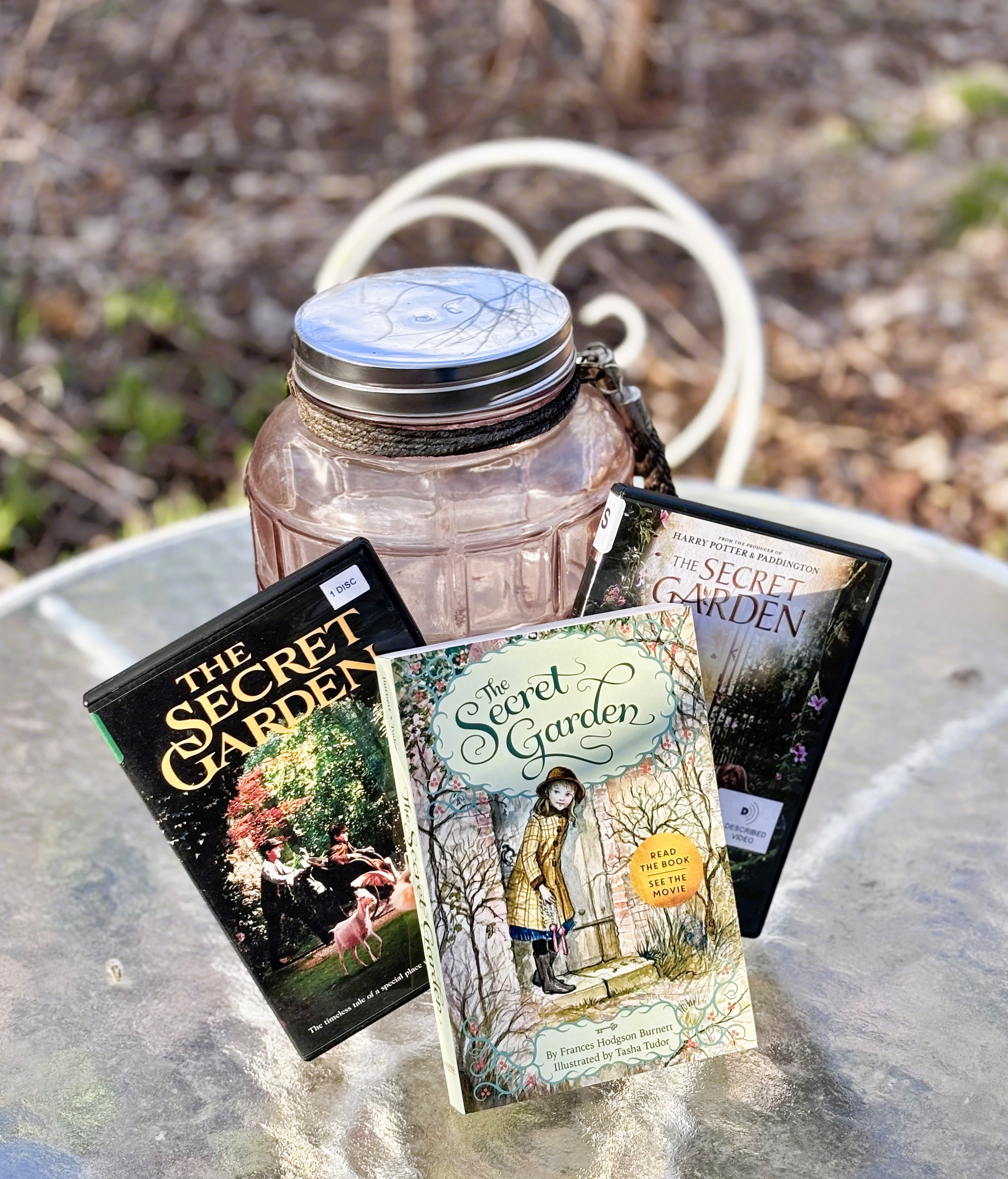
We even had an endearing rainy afternoon exploring another town’s library where my daughter read me a children’s book titled “Time to Make Art” by Jeff Mack. Through this book, we learned about different types of art and the artists who explored them, leading to an interesting discussion about what is art and who gets to decide. We left the library with three books that piqued my daughter’s interest and two film versions of The Secret Garden, a children’s classic written by Frances Hodgson Burnett.
Even though my daughter and I attended a high school production of The Secret Garden this fall, we are now just listening to the audio version of the book and decided to compare all the versions we have encountered to the two film versions we found at the library. We came home, boiled water for tea, threw together some trail mix with what we could find in the pantry, lit a fire in the fireplace, and curled up on the couch to watch as the rain poured and the wind rattled the windows.
Despite the weather, my daughter off-handedly remarked, “When we do movie nights, I think of warm and cozy vibes because you always put a fire in the fireplace.”
I hope when she looks back on her childhood spring breaks, she also conjures those same warm and cozy vibes. Even more, I hope that her slower-paced spring breaks become so woven into the fabric of her being that she grows into someone who cherishes the simpler moments life offers us– both in the books she reads and the world beyond their pages.
And that’s just one more way we can make reading VISIBLE. VITAL. VALUED– together.
If you’re enjoying these articles, please take a moment to click the🤍at the top or bottom of this email. You can also explore past posts anytime on The Visible Reader website.
Know someone who values thoughtful, literacy-centered content? Invite your family, friends, and colleagues to subscribe and become part of our growing Visible Reader community.
I love this. ❤️ “Nowhere” can be the kind of spring break she’ll always remember. Small adventures, cozy reading afternoons, and simple moments make childhood rich. This is how reading becomes visible, vital, and valued.